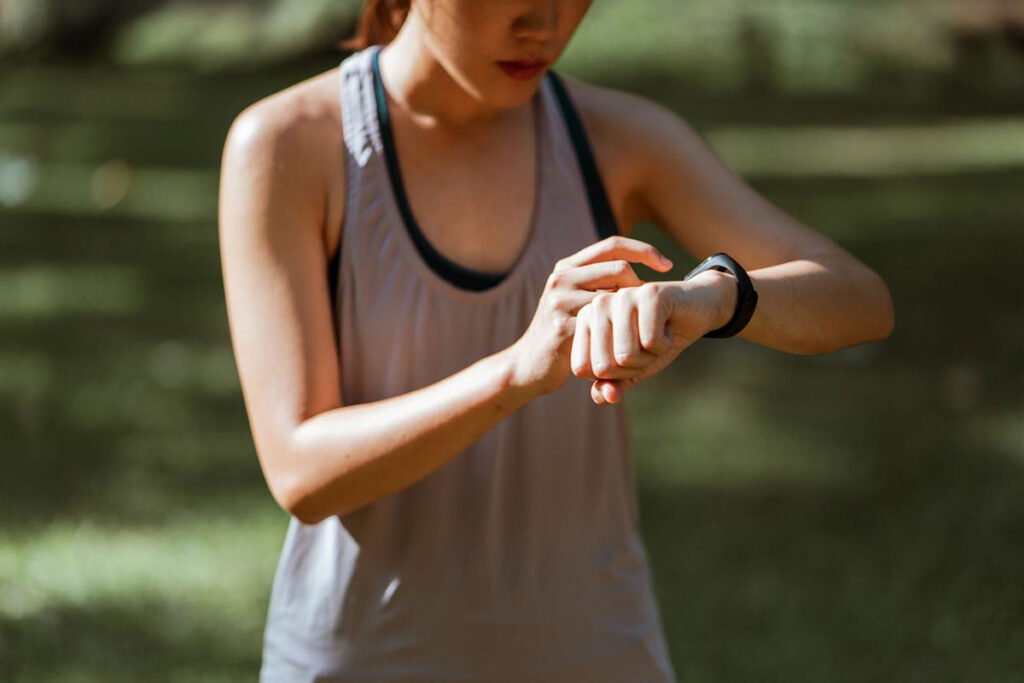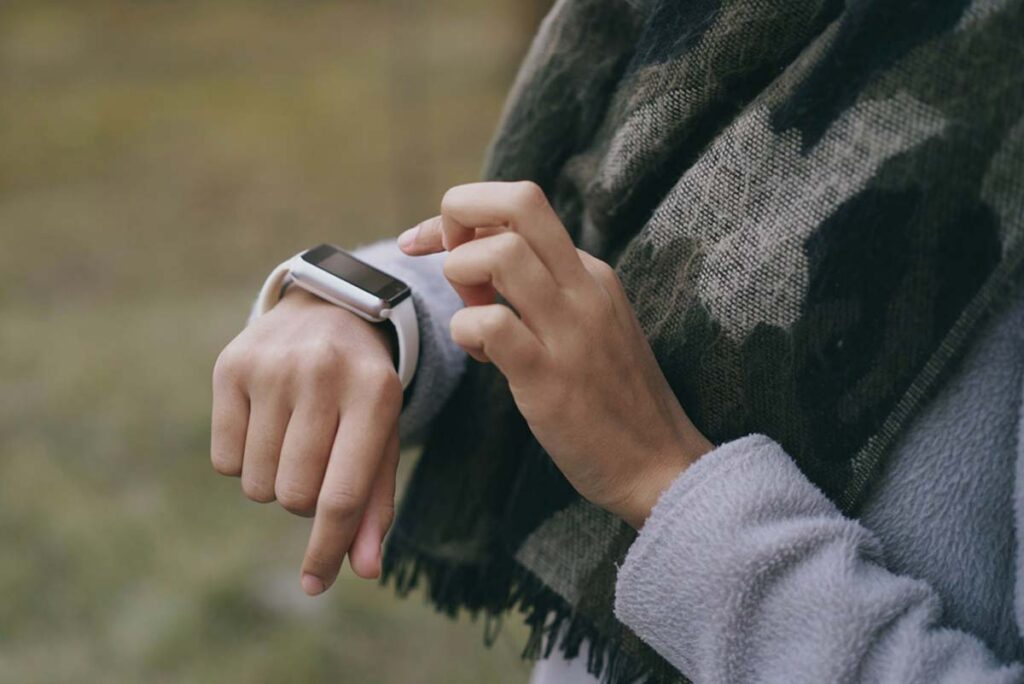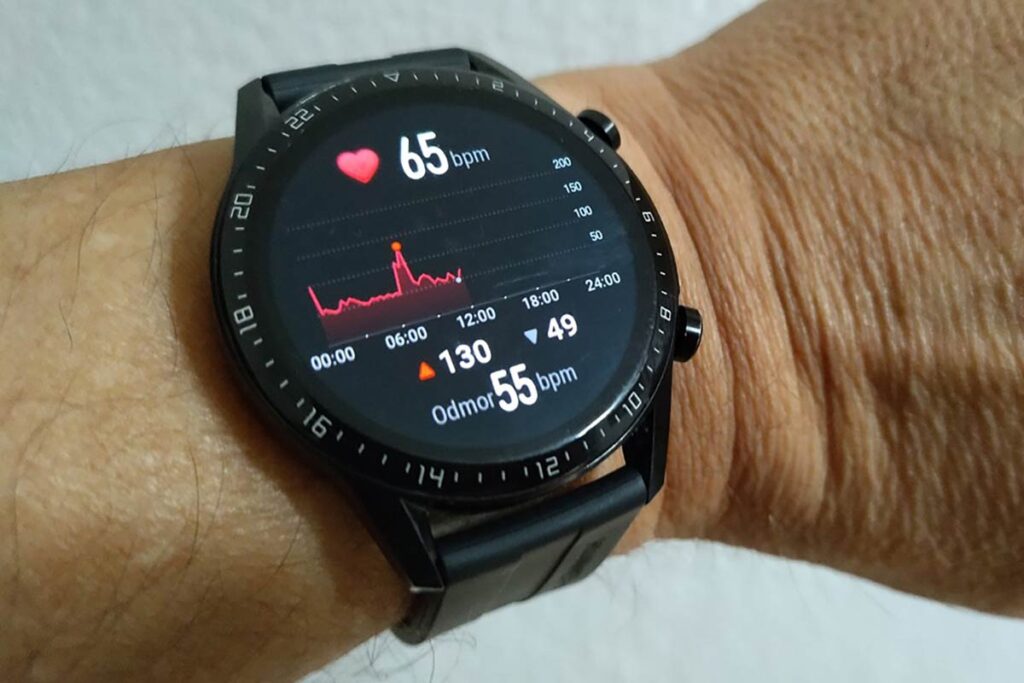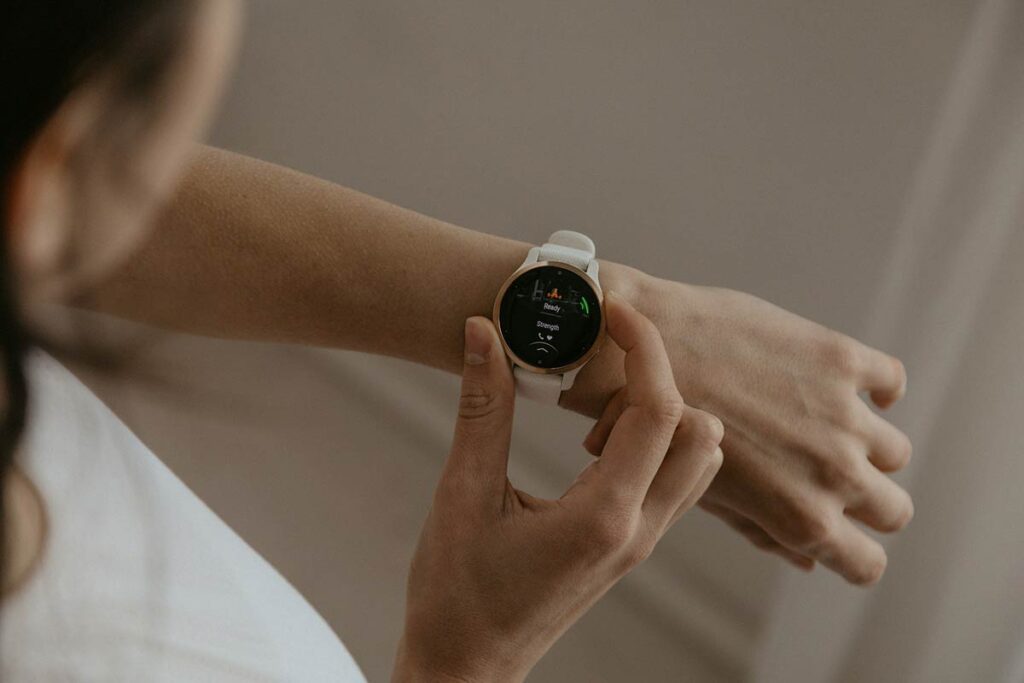
It is 9 p.m., and your watch shows 6,200 steps. You have worked, cooked dinner, and taken a walk, yet the unfinished activity ring makes the day feel incomplete. Do you really need 10,000 steps a day to benefit from walking?
That number can be motivating, but it says little about your starting point, how hard you walked, or whether you also trained your muscles.
If 10,000 steps a day feels difficult to maintain, you can set a smaller goal and build from there. Here is how to choose one that fits your current routine.
Photo by Teona Swift on Pexels
In This Article
Do You Need 10,000 Steps a Day to Benefit?
No. A 2025 review in The Lancet Public Health found that 7,000 daily steps was associated with a 47% lower risk of death from any cause compared with 2,000 steps.
The evidence came from observational studies, so it cannot prove that the steps alone caused the difference. It also does not establish one ideal target for every woman.
Still, the finding challenges the idea that a shorter walk barely counts. Your body does not wait for the 10,000th step to benefit. Higher totals may offer further benefits, and 10,000 can remain a reasonable goal if it suits you.
Build Your Goal From Your Current Routine
Mayo Clinic recommends recording your usual steps for a week before choosing small increases; for someone averaging 2,000 steps, it suggests an initial increase of 200–500 steps a day.
Try this approach:
- Find your baseline. Track seven ordinary days, including the weekend, and calculate your daily average.
- Choose a manageable increase. If you average 3,000 steps, trying 3,500 is a practical example of a first goal.
- Review before adding more. Keep that goal while you get used to it, then increase gradually if walking feels comfortable.
A starting goal is a place to build from. You can also allow quieter days without trying to repay every missed step the following morning.
Try This Today
Check whether your step tracker lets you edit its daily target. If it does, enter the manageable goal you chose from your weekly average so the display reflects your own plan.
Look Beyond Your Step Total
The CDC recommends at least 150 minutes of moderate-intensity aerobic activity each week, or an equivalent amount of vigorous activity, plus muscle-strengthening activity on at least two days. At a moderate walking pace, you can talk, but singing becomes difficult; shorter bouts can add up across the week.
Swimming and cycling can contribute to that aerobic activity even when your tracker records few steps. Your step count captures only part of your activity.
Make room for beginner strength training for women alongside your walks.
Break Up Sitting During the Day
In a Harvard expert Q&A, I-Min Lee, MBBS, ScD, a professor of medicine and epidemiology, advises people with desk jobs to interrupt prolonged sitting with movement. As she puts it: “Some is better than none, and more is better than some.”
Walk to refill your water between tasks, or take a short loop after lunch. These small breaks give movement a place in your working day instead of leaving everything until evening.
For more everyday ideas, explore how to stay active when you have no time to exercise.
If walking repeatedly causes pain or changes your stride, pause increases and get it assessed. The NIH advises discussing an injury or a health problem such as heart disease with a healthcare professional before adding activity.
Frequently Asked Questions
Do steps around the house count?
Yes, walking indoors contributes to your daily step total. Slow household walking may not reach moderate intensity, so consider both your total movement and the effort involved.
Do I need a smartwatch to set a walking goal?
No. A basic pedometer or phone can help you notice patterns, or you can track walking time instead. Use the same method consistently so your comparisons are useful.
Will reaching 10,000 steps guarantee weight loss?
No step count guarantees weight loss. Food intake, walking intensity, and other factors affect the outcome; our guide to walking for weight loss explores that separate goal.
If tracking your steps would help you build a walking habit at your own pace, explore our guide to the best fitness trackers for women to find an option that suits your routine.
Final Thoughts
Choose your next walking goal from the routine you have now. Build gradually, keep space for strength training, and adjust when your body or schedule needs it. An unfinished activity ring does not erase the walk you took.
Does a daily step target motivate you or make walking feel like another task?
Tell us which walking goal feels manageable in your life right now.
Share your experience in the comments to help another woman find her starting point.