You finish a comfortable walk, glance at your wrist, and see a pulse that looks closer to a sprint. Another day, you are breathing hard, but the number barely moves. Should you slow down, adjust the strap, or question the reading?
A fitness tracker heart rate reading can help you judge effort, but accuracy depends on the device, fit, and activity.
Here is how to make sense of an unexpected number without letting it run your next workout.
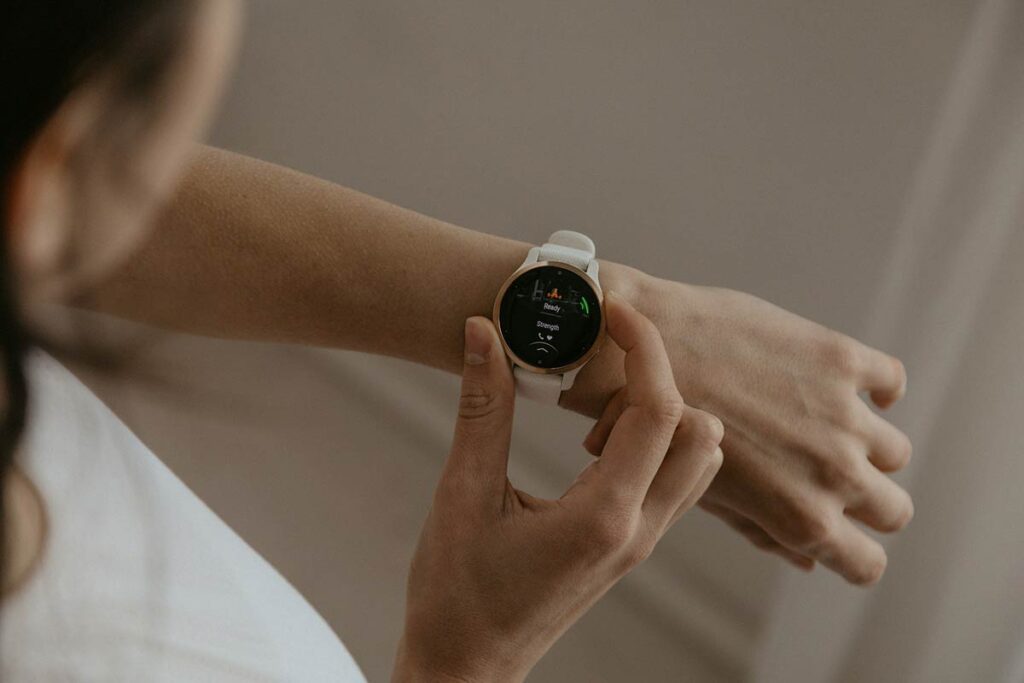
Photo by Branko Tomić for BloomHerLife
In This Article
Fitness Tracker Heart Rate: What Accuracy Depends On
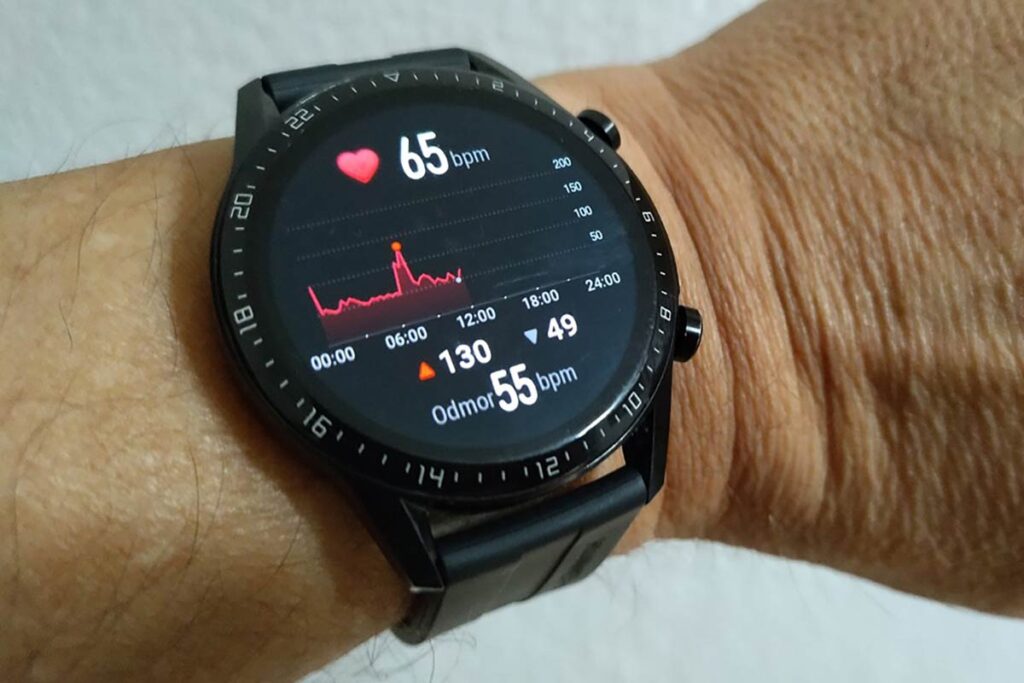
Most wrist trackers use light to detect blood-volume changes beneath the skin. This estimates your pulse; it differs from recording the heart’s electrical activity.
A 2026 validation study involving 45 adults found substantial differences between ten wearables, with stop-and-start walking increasing errors in several devices. It tested specific models under controlled conditions, so its results cannot guarantee how every tracker will perform.
A tracker can be useful without being exact every second.
Check the Fit Before Chasing the Number
Apple’s measurement guidance identifies loose contact, cold-related changes in skin blood flow, tattoos, and irregular movement as factors that can interfere with its optical sensor.
- Wear your tracker snugly, without squeezing, in the position its manufacturer recommends.
- Follow the cleaning instructions so the sensor stays clear.
- If a number looks implausible and you feel well, pause safely, keep your arm still, and recheck.
In a Harvard Health reader Q&A, cardiologist Deepak Bhatt, MD, explained that poor skin contact could account for a low-rate alert, while accompanying dizziness or weakness warrants medical assessment.
For a resting cross-check, sit calmly and place your index and middle fingers lightly on the artery inside your other wrist. Count the beats for 60 seconds and compare with your watch during the same period. This cannot confirm whether an earlier exercise reading was correct.
Use the Reading Alongside How You Feel
Breathing gives you another way to judge aerobic effort. The CDC’s talk test describes moderate intensity as being able to talk but not sing; during vigorous activity, speaking more than a few words requires a breath.
Do not increase your pace just because a low reading suggests you are taking it easy. For the wider activity picture, see our guide to active minutes vs steps.
Not every change is a sensor error: stress, temperature, and some medicines can change your actual heart rate.
Try This Today
After your next two usual walks, note the route, how the effort felt, and the heart-rate pattern. Comparing similar sessions may help you spot an odd reading without treating it as a diagnosis.
When to Seek Medical Help
If unexpectedly high or low readings recur at rest, arrange a medical review, particularly if the change is new for you.
Stop exercising and seek emergency help for chest pain, fainting, or severe or unusual shortness of breath, especially with a racing or irregular heartbeat. Symptoms deserve attention even when the screen looks reassuring.
Heart fluttering around midlife can have several causes; our guide to perimenopause heart palpitations explains why hormones should not be assumed to be the reason.
Frequently Asked Questions
Would a chest strap be more accurate?
An electrode-based chest strap generally provides more accurate exercise heart-rate measurements than a wrist sensor. If a clinician has set exercise limits, ask which monitor and targets are appropriate for you.
Why is my heart rate different from my friend’s on the same walk?
The same pace can feel easy for one person and demanding for another. Compare the effort with your own usual response rather than trying to match another person’s number.
If you are considering a new device, explore our fitness tracker comparison with comfort, fit, and the limits of wrist-based heart-rate readings in mind.
Final Thoughts
Use your tracker to understand patterns, and give an odd reading some context before changing your workout. Better fit can help; repeated changes or symptoms need a closer look. Let the data support your judgment.
This article is for educational purposes and is not medical advice.
Has your tracker ever shown a pulse that did not match how your workout felt?
Tell us what you were doing when it happened.
Share what helped you make sense of the reading.