

Modern life can feel overwhelming.
Notifications never stop. Responsibilities pile up. Social media constantly demands attention. Many women find themselves mentally exhausted—not because they’re doing something wrong, but because the world rarely gives them permission to slow down.
If stress and anxiety have been affecting your daily life, learning practical coping strategies can make a big difference. You may also find these simple ways to reduce stress and anxiety naturally helpful as part of your wellness routine.
Protecting your peace isn’t about avoiding responsibilities or ignoring reality. It’s about creating healthy boundaries that help you stay emotionally balanced, mentally strong, and connected to yourself.
If you’ve been feeling drained, overstimulated, or emotionally overwhelmed, these simple strategies can help you protect your peace every day.
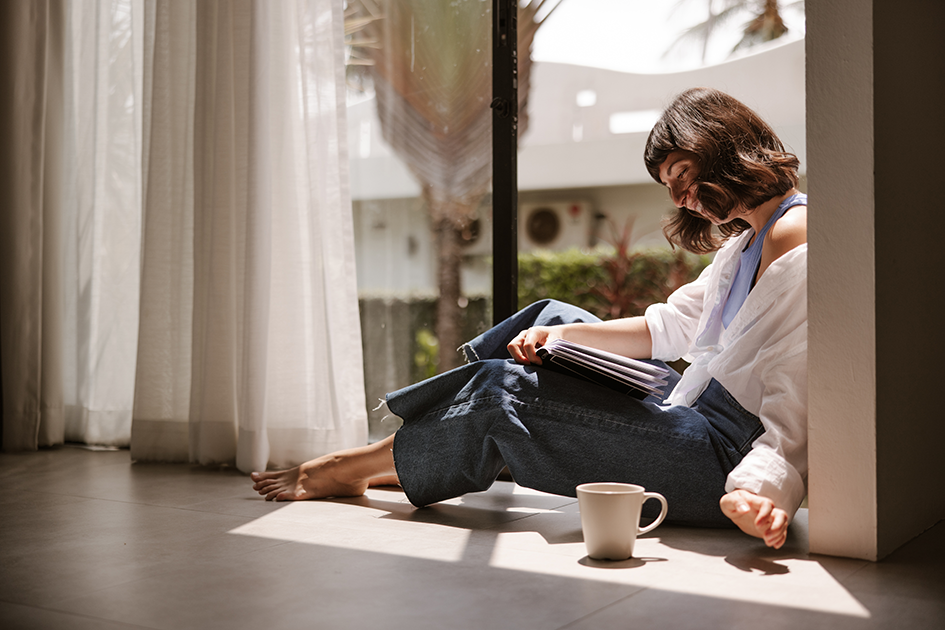
Photo by Lookstudio on Magnific
Why Protecting Your Peace Matters
When your mind is constantly overloaded, stress becomes your default state.
According to the American Psychological Association, long-term stress can affect both the mind and body, including sleep, mood, digestion, muscles, and overall health. That is why protecting your peace is not just an emotional choice — it is part of caring for your well-being.
Over time, chronic stress may contribute to:
- Increased anxiety
- Poor sleep quality
- Mental fatigue
- Difficulty concentrating
- Emotional burnout
- Reduced overall well-being
Mental exhaustion is often one of the earliest warning signs. If you’ve ever felt tired even after doing very little, you might relate to these common reasons why mental exhaustion happens and what you can do about it.
Protecting your peace allows your nervous system to recover and gives your mind the space it needs to function at its best.
1. Limit the Noise Around You
Today’s world is filled with constant stimulation.
The CDC notes that learning healthy ways to cope with stress can make a meaningful difference, even through small daily steps. Reducing unnecessary noise, alerts, and digital pressure can be one simple way to support a calmer mind.
News alerts, emails, text messages, and social media updates can create a feeling that you must always be available.
Consider:
- Turning off non-essential notifications
- Checking social media at specific times
- Taking short digital breaks throughout the day
- Creating technology-free moments before bedtime
Less noise often leads to more clarity.
2. Learn to Say No Without Guilt
Many women struggle with saying no because they worry about disappointing others.
But every time you say yes to something that drains your energy, you may be saying no to your own well-being.
Healthy boundaries are not selfish.
They are an important form of self-care.
Before agreeing to new commitments, ask yourself: “Do I genuinely have the time, energy, and desire for this?”
If the answer is no, it’s okay to decline respectfully.
3. Protect Your Energy From Negative Influences
Not every conversation, relationship, or environment deserves unlimited access to your mental space.
Pay attention to how you feel after spending time with certain people.
Do you feel:
- Supported?
- Encouraged?
- Calm?
Or do you feel:
- Drained?
- Criticized?
- Emotionally exhausted?
Protecting your peace sometimes means limiting exposure to situations that consistently harm your emotional well-being.
4. Create Small Daily Moments of Calm
You don’t need an entire weekend retreat to recharge.
Even five to ten minutes can make a difference.
Simple calming activities include:
- Deep breathing
- Gentle stretching
- Reading a few pages of a book
- Drinking tea without distractions
- Spending time outdoors
- Practicing gratitude
Evening routines can be especially powerful when it comes to protecting your peace. These simple evening habits for a calmer mind and better sleep can help you unwind and prepare your body for restful sleep.
Small moments of peace often create lasting benefits.
5. Stop Comparing Yourself to Others
Social media often shows carefully edited highlights rather than reality.
Constant comparison can create feelings of inadequacy and unnecessary pressure.
Remember: Everyone’s journey is different.
Your value is not determined by someone else’s success, appearance, income, or lifestyle.
Focus on your own growth rather than competing with unrealistic standards.
6. Prioritize Rest Without Feeling Lazy
Rest is not a reward you earn after exhaustion.
Quality sleep plays a major role in emotional balance and mental recovery. If you’re struggling with low energy, you may also want to learn about common reasons women feel tired all the time and how to fix them.
Rest is a basic human need.
Many women carry guilt around taking breaks, but recovery is essential for both physical and mental health.
Allow yourself to:
- Take breaks
- Sleep enough
- Slow down when needed
- Recover after stressful periods
Protecting your peace requires giving yourself permission to rest.
7. Focus on What You Can Control
One of the biggest sources of stress comes from worrying about things beyond our control.
Instead of focusing on every uncertainty, direct your attention toward actions you can take today.
Ask yourself:
- What can I do right now?
- What decision is within my control?
- What small step can I take today?
This simple shift often reduces anxiety and creates a greater sense of calm.
The National Institute of Mental Health explains that stress and anxiety can feel similar, but anxiety may continue even when the original stressor is gone. If worry feels constant or difficult to manage, professional support can be an important step.
Frequently Asked Questions
What does “protect your peace” actually mean?
Protecting your peace means creating boundaries around the people, habits, information, and situations that repeatedly leave you overwhelmed or emotionally drained. It does not mean avoiding every difficult conversation or responsibility.
How can I protect my peace without feeling selfish?
Start with small boundaries. You might delay answering a non-urgent message, decline an extra commitment, or take time to rest without explaining yourself. Protecting your well-being does not require ignoring the needs of others.
Can social media make it harder to feel calm?
It can for some people. Constant notifications, comparison, distressing news, and pressure to stay available may contribute to mental overload. Taking intentional breaks or limiting when you check social media may help reduce that pressure.
When is stress more than something I should manage on my own?
Consider professional support if anxiety or stress continues for weeks, interferes with sleep, work, relationships, or everyday activities, or feels increasingly difficult to control. Persistent hopelessness or thoughts of self-harm require urgent professional help.
Final Thoughts
The world may never slow down.
But that doesn’t mean you have to move at the same pace.
Protecting your peace is not about escaping life—it’s about creating healthy boundaries that allow you to experience life with greater balance, clarity, and emotional well-being.
Start small.
Turn off one notification.
Take one deep breath.
Say no when necessary.
Little by little, you’ll create more space for calm, confidence, and peace in your everyday life.
If you’d like to make journaling part of your self-care routine, explore our guide to the best journals for mental health to discover thoughtful options that can help you reflect, reduce stress, and build healthier daily habits.
Maybe it is setting a boundary, stepping away from your phone, or simply giving yourself permission to rest.
Share what works for you in the comments — your experience may help another woman find a little more calm too.