
Hormones influence many parts of a woman’s body, including energy, mood, sleep, metabolism, appetite, skin, libido, and the menstrual cycle.
But symptoms are not always easy to interpret. Fatigue, weight changes, mood swings, bloating, acne, irregular periods, and cravings can be related to hormones, but they can also be connected to stress, sleep, nutrition, medication, thyroid function, perimenopause, or other health factors.
That is why this article is not meant to help you diagnose yourself. Instead, think of these signs as clues that may help you notice patterns in your body and decide when it may be time to seek professional guidance.
Here are 10 common signs your hormones may be out of balance, plus simple lifestyle habits that may support your overall well-being.
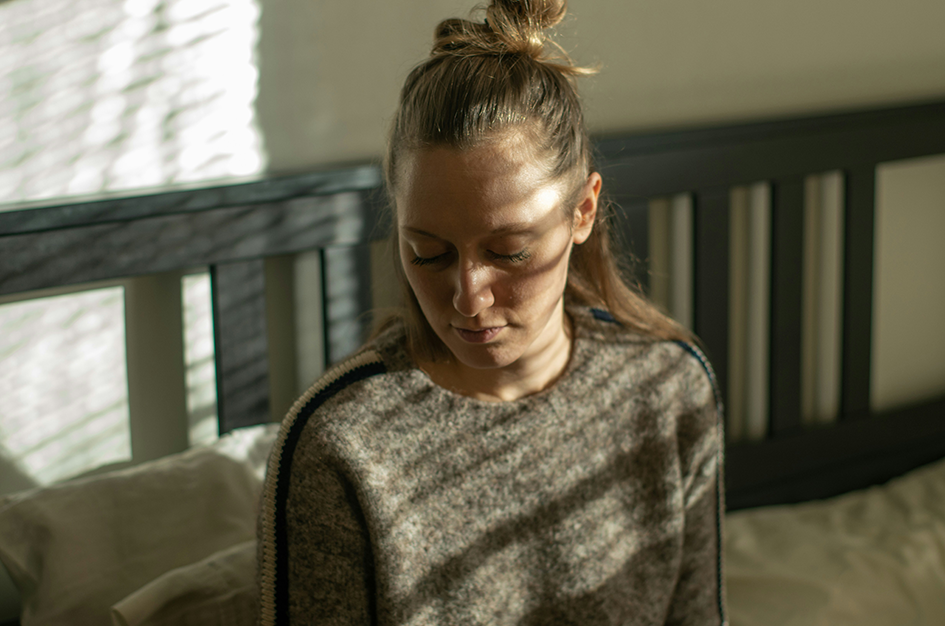
Image credit: Photo by Emily Leake on Unsplash
What Hormonal Imbalance Can Mean
Hormonal imbalance does not refer to one single problem. The body makes many different hormones, and symptoms can vary depending on which hormone system is involved.
Cleveland Clinic notes that hormone-related symptoms can include fatigue, weight changes, mood changes, irregular periods, acne, and changes in hair growth, but also explains that many hormone-related conditions, such as thyroid disease or diabetes, require medical treatment.
This is why it is helpful to be curious about your symptoms without jumping to conclusions.
1. Fatigue That Does Not Improve With Rest
Feeling tired even after enough sleep can sometimes be connected to hormone-related issues, including thyroid function, stress hormones, or blood sugar patterns. But fatigue can also have many other causes, so it should not be ignored if it becomes persistent.
Hormone-related conditions such as hypothyroidism can contribute to fatigue, but persistent tiredness has many possible causes. Sleep problems, anemia, medication, stress, nutritional deficiencies, and other health conditions can produce similar symptoms.
What to do:
- prioritize sleep (7–9 hours)
- reduce caffeine
- support your body with nutrient-rich foods
2. Unexplained or Stubborn Weight Changes
Unexplained weight changes can sometimes be associated with hormonal conditions, but weight alone cannot tell you whether your hormones are “out of balance.”
Conditions such as hypothyroidism, polycystic ovary syndrome (PCOS), and hormonal changes around menopause can contribute to weight changes. Sleep, medications, activity levels, eating patterns, stress, and other health factors may also play a role.
What to do:
- focus on balanced, satisfying meals
- add protein and fiber
- manage stress levels
3. Mood Swings or Irritability
Frequent mood changes can be linked to estrogen and progesterone fluctuations.
You may experience:
- anxiety
- irritability
- low mood
What to do:
- prioritize rest
- reduce stress
- include healthy fats (like nuts and seeds)
4. Irregular or Unusual Periods
A disrupted menstrual cycle is one of the clearest signs of hormonal imbalance.
This may include:
- missed periods
- very heavy or very light flow
- unpredictable cycles
What to do:
- track your cycle
- support your body with balanced nutrition
- avoid extreme dieting
Occasional cycle changes can happen, but very heavy, painful, missing, or unpredictable periods are worth discussing with a healthcare professional.
5. Bloating That Seems to Follow a Pattern
Some women notice more bloating at certain points in the menstrual cycle. Hormonal changes may influence fluid retention and digestive symptoms, but bloating has many other possible causes.
Constipation, food intolerances, irritable bowel syndrome (IBS), meal size, carbonated drinks, and other digestive factors can also contribute.
What to do:
- notice when bloating occurs and look for recurring patterns
- eat slowly
- support gut health with fiber-rich foods
6. Skin Changes, Acne, or Dryness
Hormones directly affect your skin.
Signs include:
- adult acne
- dry or dull skin
- increased oiliness
What to do:
- use a gentle, consistent skincare routine
- avoid picking or aggressively treating breakouts
- talk to a dermatologist if acne is persistent, severe, painful, or suddenly changes
7. Trouble Sleeping or Waking at Night
Hormones and the body’s circadian system influence sleep, but difficulty falling asleep or staying asleep can have many different causes.
If imbalanced, you may experience:
- difficulty falling asleep
- waking up at night
- feeling unrested
What to do:
- reduce screen time before bed
- create a calming evening routine
- keep a consistent sleep schedule
8. Low Libido
A decrease in sex drive can be linked to hormonal changes.
Often connected to:
- low estrogen
- high stress
- fatigue
What to do:
- manage stress
- improve sleep
- focus on overall well-being
Low libido can be influenced by hormones, but it can also be affected by stress, sleep, relationship factors, medication, mental health, and overall energy.
9. Hair Thinning or Increased Shedding
Hormonal imbalance can affect hair growth.
You may notice:
- thinning hair
- hair shedding
- slower growth
What to do:
- eat enough protein
- support your body with essential nutrients
- reduce stress
10. Frequent Energy Crashes or Changes in Appetite
Changes in appetite, cravings, or energy levels can sometimes occur alongside hormonal or metabolic changes, but they are not specific signs of a hormonal imbalance.
Meal timing, sleep, stress, medications, physical activity, and the composition of your meals can all affect how hungry or energized you feel.
What to do:
- include protein, fiber, and healthy fats in meals
- avoid routinely skipping meals if it leaves you feeling shaky or overly hungry later
- notice whether energy crashes follow a consistent pattern
- talk to a healthcare professional if symptoms are frequent, severe, or accompanied by other unexplained changes
Simple Ways to Support Hormone Health
You do not need extreme routines to support hormone health. Small, consistent habits can help your body feel more supported over time.
Start with the basics:
- eat balanced meals with protein, fiber, and healthy fats
- avoid skipping meals if it leads to energy crashes or cravings
- prioritize sleep and recovery
- manage stress in realistic ways
- include gentle movement most days
- limit extreme dieting or overexercising
- track your cycle and symptoms
- talk to a healthcare professional if symptoms persist
Lifestyle habits can support your overall well-being, but they are not a replacement for diagnosis or treatment when a medical condition is involved.
When to Talk to a Healthcare Professional
Hormonal symptoms can feel confusing because they often overlap with stress, sleep issues, nutrition, thyroid problems, perimenopause, medication changes, and other health conditions.
Talk to a healthcare professional if your symptoms are persistent, worsening, or affecting your daily life. This is especially important if you have very heavy or painful periods, missed periods, unexplained weight changes, ongoing fatigue, hair loss, severe acne, mood symptoms that feel difficult to manage, or symptoms that appear suddenly.
You do not need to wait until everything feels severe. Getting answers early can help you understand what your body may need.
Final Thoughts
Hormones can influence many parts of a woman’s life, from energy and mood to sleep, skin, weight, libido, and the menstrual cycle.
But symptoms are not always a simple sign of one hormone being “off.” Your body is complex, and many factors can shape how you feel.
The best place to start is by noticing patterns, supporting your body with steady daily habits, and seeking professional guidance when symptoms feel persistent, unusual, or disruptive.
You do not have to figure it all out alone. Listening to your body is a good first step — and getting proper support is part of taking your health seriously.
Have you tried any natural ways to balance your hormones?
What worked for you — or what are you still struggling with?
Tell us in the comments — your experience could help someone else feel better.