You complete your usual dumbbell squats with steady form, but the final repetitions now feel easier than they did a few weeks ago. You wonder whether it is time for a heavier pair.
Knowing when to increase weight in strength training means looking at effort, technique, and recovery together.
The seven checks below can help you review the exercise before changing the load.
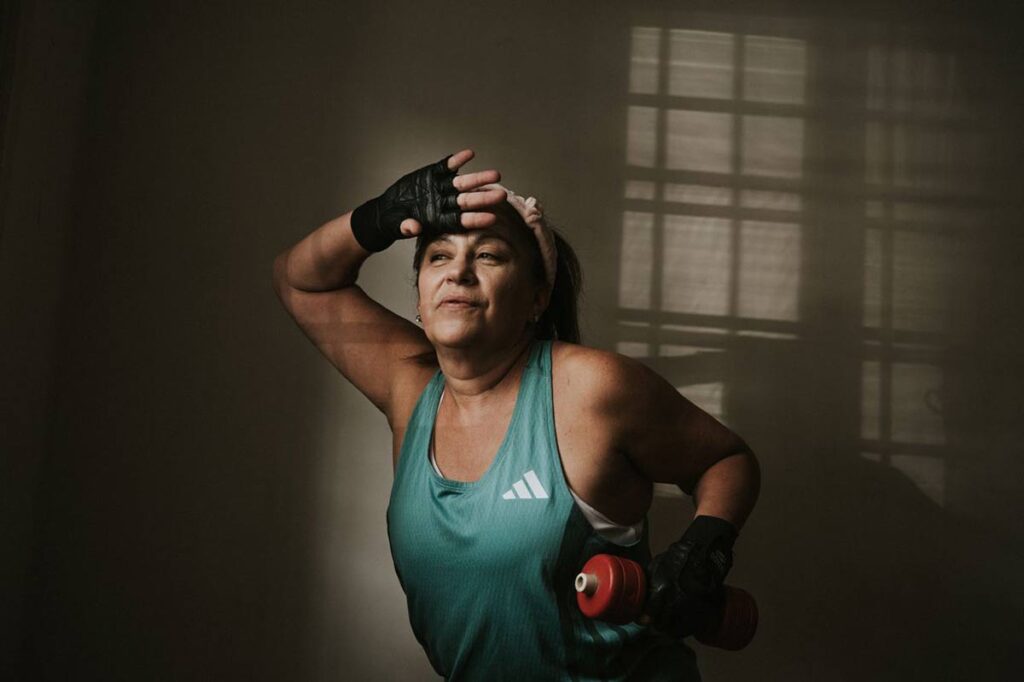
Photo by Patricia Bozan on Pexels
In This Article
7 Signs You’re Ready to Increase the Weight
1. The Last Few Reps No Longer Feel Challenging
Finish the planned repetitions and consider how many more you could complete with the same technique. Consistently having several left can be a reason to review the load.
Cleveland Clinic sports medicine physician Dominic King, DO, gives an example of having at least five repetitions left after the last set. He also warns that struggling to finish or experiencing pain may indicate that the weight is too heavy.
2. You Regularly Exceed Your Planned Rep Range
Imagine your workout calls for 10 to 12 goblet squats. You reach 12 and realize that 16 would probably still feel comfortable.
That tells you more than the number printed on the dumbbell.
Mayo Clinic recommends resistance that tires the muscles after roughly 12 to 15 repetitions and advises gradually increasing resistance when doing more becomes easy.
3. Your Form Stays Clean From First Rep to Last
Before increasing weight, look at the movement itself.
Can you maintain your range of motion, control the lowering phase and finish without swinging your body or changing position?
A heavier dumbbell is not progress if your technique gets worse.
If your form is still inconsistent, the current weight is probably giving you something useful to work on.
4. The Same Weight Has Felt Easy for Several Workouts
Compare the same exercise across several sessions. If the planned repetitions repeatedly feel easier with stable technique, your log can help you identify a pattern.
5. You Recover Well Before Training That Muscle Again
Some fatigue after a challenging session is normal. Lingering pain or a noticeable drop in performance is different.
If you are recovering comfortably between sessions and returning with normal strength, a small increase may make sense. If soreness is still interfering with normal movement, first review how you recover after a workout naturally.
6. The Movement Feels Stable, Not Wobbly
This is especially noticeable with lunges, presses, split squats and single-arm movements.
You may be strong enough to move a heavier dumbbell but not yet stable enough to control it well. Build the movement first.
7. You Can Make a Small Increase
Progress does not need to be dramatic.
Moving from 10 pounds to 12 pounds is very different from jumping directly to 20, and smaller changes are often easier to control.
If you are still unsure what weight suits a particular movement, start with our guide to how heavy dumbbells should be for women.
More Weight Is Not the Only Way to Progress
Here is the part that is easy to miss: progressive overload does not mean adding weight every week.
You can also add repetitions, improve your range of motion, slow the lowering phase or add another set. For someone training at home with only a few dumbbells, these options can be especially useful.
More weight is one tool, not the definition of progress.
When You Should Not Increase the Weight
Keep the current weight, or go lighter, if you need momentum to complete the movement, your range of motion becomes shorter or your technique changes noticeably.
Stop the exercise and consider professional assessment if you develop sharp or severe pain, significant swelling, numbness, sudden weakness, or pain that continues to worsen instead of settling with rest.
Muscle effort should feel challenging. Injury signals are something else.
Try This Today
Choose one exercise that has felt consistently manageable and note the smallest available weight increase. If you try it next session, keep the planned repetition range, number of sets, and rest periods unchanged so you can judge that one change.
Frequently Asked Questions
Should my repetitions decrease after I increase the weight?
They may decrease within your planned repetition range. For example, if your target is 10 to 12 controlled repetitions, you might return to 10 after a manageable increase. If the new load prevents you from reaching the lower end with good form, reduce it.
Should I increase the weight for every exercise at the same time?
No. Assess each movement separately. One exercise may be ready for more resistance while another still needs practice at the current load.
Final Thoughts
Progress at the pace each exercise allows. Keep technique steady, choose manageable weight increases, and let recovery guide your next session.
For equipment with several weight settings, compare our best adjustable dumbbells for women.
What helps you decide that an exercise is ready for a little more weight?
Maybe you notice steadier technique, easier repetitions, or a clear pattern in your workout log.
Share one practical sign you look for in the comments to encourage another reader progressing at her own pace.