

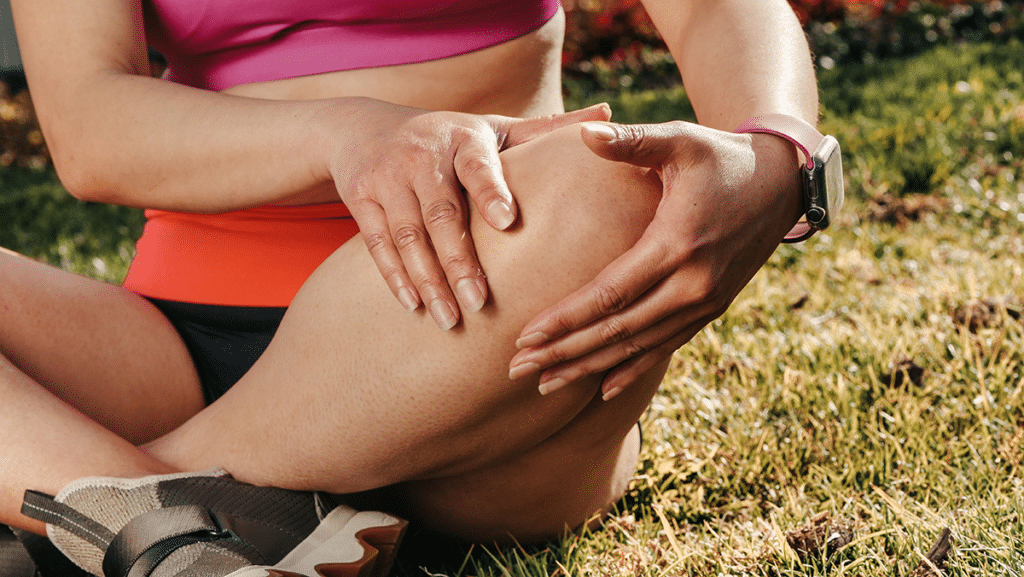
You finish a workout feeling proud, then wake up the next morning wondering why sitting down, climbing stairs, or lifting your arms suddenly feels like work.
That familiar ache can be uncomfortable, especially when you are just returning to exercise.
In many cases, feeling sore after exercise is a normal response to doing something new or more demanding. But soreness should not be treated as proof that a workout was effective, and some types of pain deserve more attention.
Image credit: Photo by Kindel Media on Pexels
What Normal Post-Workout Soreness Feels Like
The most common explanation is delayed onset muscle soreness, usually called DOMS. It develops gradually after a workout rather than appearing as a sudden, sharp pain while you are exercising.
DOMS tends to affect the muscles you trained and may cause tenderness, stiffness, weakness, or temporarily limited movement. It usually appears one to three days after exercise and fades as the muscles recover. A productive workout does not have to cause DOMS.
Adding simple daily movement habits between workouts can also help you stay active without placing the same demands on your body every day.
Why Some Workouts Make You More Sore
Soreness is more likely after a new exercise, a sudden increase in intensity, or movements your body has not practiced recently.
Exercises that load a muscle while it lengthens are particularly likely to trigger DOMS. These movements include lowering a weight, walking downhill, performing lunges, or landing after a jump.
That does not mean these exercises are harmful. It means your body may need time and gradual progression before it handles them comfortably.
A gradual plan for how to tone your body at home can be especially helpful when you want to build strength without making large jumps in workout difficulty.
A Real Question Many Exercisers Ask
In a Vancouver Coastal Health Research Institute “Ask an Expert” feature, a reader asked why their muscles always hurt after exercise and whether the soreness could be prevented.
Dr. Chris Napier, a physical therapist and researcher, explained that post-workout soreness is not caused by a buildup of lactic acid. He described it as a response to microscopic muscle damage following a sudden change in exercise and recommended increasing intensity gradually, with rest or easier workouts when soreness appears.
This is reassuring for anyone who has worried that next-day stiffness automatically means something has gone wrong. Normal soreness is usually a temporary response, not a punishment for exercising.
What Can Help Sore Muscles Feel Better?
Choose Gentle Movement
You do not necessarily have to stay completely still. A short walk or another low-impact activity may help you feel less stiff, provided the discomfort is mild and movement feels comfortable.
Give the Same Muscles Time to Recover
Training hard through significant soreness may affect your strength, mobility, and exercise form. It is often more sensible to reduce the intensity, exercise a different area, or take a recovery day.
Sports medicine physician Dr. Ryan Lingor notes that there is no single treatment that instantly removes DOMS. He recommends low-impact activity, adequate recovery, hydration, and balanced post-workout nutrition rather than relying on one special recovery method.
Keep Recovery Simple
Regular meals, adequate sleep, hydration, and realistic workout progression are a strong foundation. Expensive gadgets and complicated routines cannot replace giving your body enough time to recover.
Soreness Is Not the Same as Injury Pain
Normal soreness usually begins after the workout and gradually improves. Pain that starts suddenly during exercise, feels sharp, becomes worse, or makes it difficult to use the affected muscle may indicate a strain or another injury.
Contact a healthcare professional if the pain is severe, does not improve with home care, or comes with significant weakness, swelling, redness, numbness, or difficulty moving.
Dark, brown, red, or tea-colored urine after intense exercise requires prompt medical attention, especially when it occurs with severe muscle pain, weakness, or swelling. These can be signs of rhabdomyolysis, a rare but serious condition involving muscle breakdown.
When discomfort feels more like persistent heaviness than ordinary muscle tenderness, it may also help to understand why your legs feel heavy when you walk.
Can You Prevent Muscle Soreness?
You may not avoid soreness every time, especially when trying a new activity. However, starting slowly and increasing the challenge in small steps can make it less intense.
Warm up, choose a load you can control, and leave enough recovery time between demanding sessions. Exercise should challenge you, but pain should never become the goal.
If walking is part of your recovery routine, choosing supportive footwear can help keep everyday movement more comfortable, and our guide to the best walking shoes for women can help you compare your options.
Final Thoughts
Feeling sore after exercise is often simply your body adjusting to a new demand. The useful question is not, “Am I sore enough?” but, “Is this discomfort mild, improving, and limited to the muscles I trained?”
Give yourself permission to recover, return gradually, and pay attention when pain feels different from ordinary soreness. Consistency builds fitness far better than repeatedly pushing through warning signs.
What helped you recover, and how did you recognize that it was ordinary soreness rather than an injury?
We’d love to hear about your experience in the comments.