

You get out of bed and your hips feel stiff. Your knees complain on the stairs, or a shoulder that never bothered you before suddenly aches when you reach into a cupboard.
Nothing dramatic happened. Your body just seems achier than it used to be.
For some women, this begins during perimenopause. Joint and muscle discomfort can occur during the menopause transition, although hormones are not the only possible explanation.
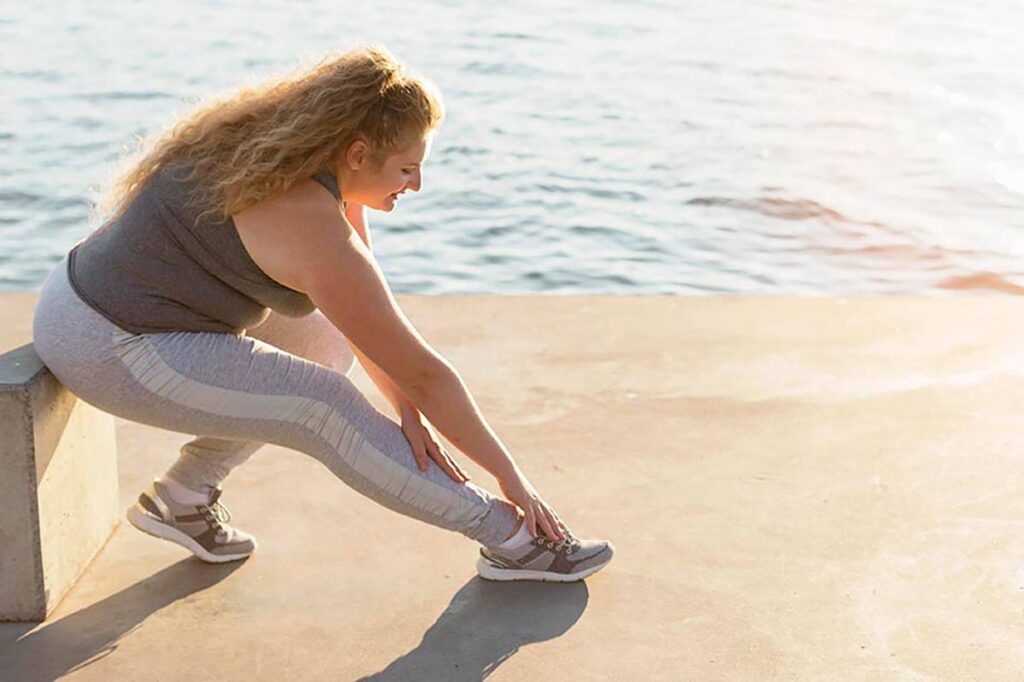
Photo by Magnific
Can Perimenopause Really Make Your Joints Hurt?
It can be part of the picture.
Estrogen receptors are found throughout musculoskeletal tissues, and changing estrogen levels may influence inflammation, muscles, tendons and the way pain is experienced. A 2026 review in Menopause describes estrogen-related joint pain as common but frequently overlooked, while emphasizing that other causes must first be considered.
The discomfort may show up in the knees, hips, shoulders, hands or several areas at once. Some women notice stiffness most when they first wake up or after sitting for a long time.
If this is happening alongside changing periods, hot flashes or other new symptoms, our guide to early perimenopause signs women often miss can help put the pieces together.
What Doctors See in Real Life
Expert Insight
On Cleveland Clinic’s Ob/Gyn Time podcast, Dr. Madeline Cohn discusses the less obvious symptoms women bring to her during perimenopause.
Among symptoms such as skin changes and palpitations, she says joint pain is the most common of these unexpected complaints she sees in practice.
That matters because an aching knee or stiff shoulder may send a woman toward orthopedic explanations first. The hormonal transition might not even cross her mind.
But Don’t Blame Every Ache on Hormones
This part matters.
Joint pain becomes more common with age, and midlife is also when osteoarthritis, injuries and some inflammatory or autoimmune conditions may first become noticeable. Vitamin deficiencies and other medical issues can contribute too.
The Menopause Society lists mild joint aches and pains among changes that can occur around menopause, but the symptom alone does not prove that declining estrogen is responsible.
Pain that is new, persistent or worsening deserves more than a casual “it must be hormones.”
Why Poor Sleep Can Make Everything Feel Worse
A painful joint can disturb sleep, but the relationship also works in the other direction. After several nights of broken sleep, pain may feel harder to tolerate and recovery from everyday activity can become more difficult.
That can create an unpleasant loop: night sweats interrupt sleep, you wake up exhausted and stiff, and movement feels less appealing the next day.
If nights have become fragmented, read why perimenopause night sweats wake you up and our guide to how hormones affect sleep.
What May Help With Perimenopause Joint Pain?
Movement usually matters more than complete rest.
Regular walking, mobility work and especially resistance exercise can help support muscle strength, mobility and joint function as you move through midlife. If pain makes exercise difficult, a physical therapist can help you adapt movement to your current abilities.
Start gradually if you have been inactive. A short walk and gentle mobility work done consistently may be more useful than an ambitious workout that leaves you sore for days.
Maintaining a healthy weight, eating a balanced diet and allowing enough recovery also support musculoskeletal health. Some women may discuss menopausal hormone therapy with their clinician when joint pain occurs alongside other troublesome menopause symptoms, but HRT should not be treated as a universal joint-pain remedy.
When Should You See a Doctor?
Make an appointment if pain is persistent, interferes with normal activity or keeps getting worse.
Seek medical advice sooner if a joint becomes red, hot or markedly swollen, if you develop significant weakness or fever, or if morning stiffness is prolonged and severe. Pain following an injury also deserves appropriate assessment.
A clinician can help distinguish ordinary aches from osteoarthritis, inflammatory disease, injury or another treatable cause before assuming perimenopause is responsible.
Final Thoughts
Perimenopause can arrive in unexpected ways, and new joint stiffness may be one of them.
Hormonal changes can contribute, particularly when aches appear alongside other perimenopause symptoms, but there is rarely value in blaming every new pain on estrogen. Stay active, notice patterns and get persistent symptoms evaluated.
What about you?
Have your knees, hips, shoulders, or hands started feeling stiffer or achier since entering perimenopause?
Share your experience in the comments below — your story may help another woman feel less alone.