

Hormones influence many parts of a woman’s body, including energy, sleep, mood, appetite, metabolism, skin, libido, and the menstrual cycle.
When something feels “off,” it can be tempting to assume your hormones are the reason. Sometimes they may be part of the picture, but symptoms like fatigue, mood changes, cravings, bloating, sleep problems, or weight changes can also be connected to stress, nutrition, thyroid function, medication, perimenopause, pregnancy, or other health factors.
That is why hormone balance is not about quick fixes or strict wellness rules. It is about supporting your body with steady habits, paying attention to patterns, and knowing when to seek professional guidance.
Here are simple, natural ways to support hormone health in everyday life.
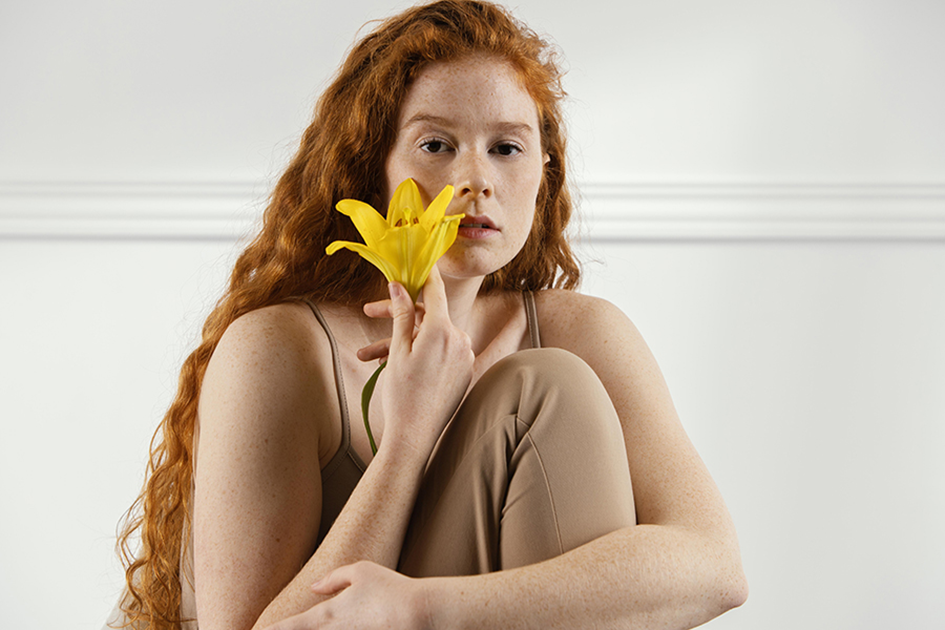
Image credit: Photo by Freepik
What Can Affect Hormone Balance?
Hormones are part of a complex communication system in the body. They can be affected by sleep, stress, nutrition, movement, blood sugar patterns, medications, age, thyroid function, reproductive changes, and underlying medical conditions.
Because the body produces many different hormones, there is no single lifestyle habit that can simply “balance” them all. Sleep, stress, nutrition, physical activity, age, pregnancy, perimenopause, medications, and conditions such as thyroid disease or diabetes can all influence hormone levels or produce symptoms that feel hormone-related.
Lifestyle habits can support overall health, but persistent symptoms still deserve proper evaluation.
1. Support Your Stress Response
Chronic stress can influence several systems that interact with hormone health.
Stress is a normal part of life, but chronic stress can keep the body in a more activated state. Over time, this may affect sleep, appetite, cravings, digestion, energy, and how steady you feel throughout the day.
What helps:
- Deep breathing
- Short daily breaks
- Spending time in nature
Chronic stress is one of the biggest disruptors of hormonal balance.
2. Protect Your Sleep Rhythm
Sleep is essential for hormone regulation.
What helps:
- Go to bed at the same time every night
- Avoid screens before bed
- Create a calming evening routine
3. Eat Balanced Meals That Support Steady Energy
No single food can “balance hormones,” but regular, varied meals provide the nutrients your body needs for normal metabolic and reproductive function.
A practical meal can include:
- a source of protein
- fiber-rich carbohydrates
- vegetables or fruit
- some healthy fat
Nutrition plays a key role in supporting hormone health.
4. Move Your Body in a Realistic Way
Regular physical activity supports metabolic health, cardiovascular health, sleep, and overall well-being. You do not need intense workouts to benefit from movement.
Try:
- Walking
- Yoga
- Light workouts
5. Notice How Caffeine and Sugar Affect You
Caffeine and sugar do not affect every woman the same way. But if you notice energy crashes, stronger cravings, anxiety, poor sleep, or feeling shaky between meals, it may help to look at your intake and timing.
What helps:
- avoid drinking coffee too late in the day
- pair carbohydrates with protein, fiber, or healthy fats
- avoid skipping meals if it leads to cravings
- notice whether sugar-heavy snacks leave you more tired later
6. Track Patterns Instead of Trying to Diagnose Yourself
If symptoms seem to change across your menstrual cycle, keeping a simple record can provide useful context.
Note changes in your:
- cycle
- sleep
- energy
- mood
- appetite
- skin
- symptoms such as headaches, hot flashes, or night sweats
A pattern does not diagnose a hormonal condition, but it can give you and your healthcare professional more useful information than relying on memory alone.
When to Talk to a Healthcare Professional
Lifestyle habits can support hormone health, but they cannot diagnose or treat a medical condition.
Talk to a healthcare professional if symptoms are persistent, worsening, sudden, or affecting your daily life. This is especially important if you have very heavy or painful periods, missed periods, unexplained weight changes, ongoing fatigue, hair loss, severe acne, hot flashes, symptoms of depression or anxiety, or changes that feel unusual for your body.
Hormone-related symptoms can overlap with thyroid conditions, diabetes, perimenopause, pregnancy, medication effects, and other health issues, so getting proper guidance can help you understand what is actually happening.
Final Thoughts
Supporting hormone balance naturally does not mean trying to control your body perfectly.
It means building steady habits that support sleep, stress, nourishment, movement, and daily rhythm. These basics may not look dramatic, but they often create the foundation your body needs to feel more supported.
Start with one habit that feels realistic this week. Maybe it is eating breakfast with more protein, going to bed a little earlier, walking after dinner, or reducing late-day caffeine.
Small steps count. And if your symptoms feel persistent, confusing, or disruptive, professional support can help you get clearer answers.
Have you been dealing with symptoms of hormonal imbalance too?
What has helped you feel more balanced — or what are you still struggling with?
Share your experience in the comments — it might help other women feel better and less alone.